Kolejną osobą, która zgodziła się udzielić nam wywiadu, jest Pani Margot Schlesinger, która wraz z mężem, Cheskelem, podczas II wojny światowej była zatrudniona w zakładach Juliusa Madritscha - najpierw w Tarnowie, a potem w Krakowie-Płaszowie. Kiedy ogłoszono wieść o likwidacji obozu w Płaszowie, Pani Margot Schlesinger znalazła się na słynnej "Liście Schindlera". Zapraszamy do obejrzenia jej wspomnień, w których opowiada nie tylko o Juliusie Madritschu, ale i o kierowniku tarnowskiego zakładu, Rajmundzie Titschu, który za swoje dokonania także został odznaczony medalem "Sprawiedliwych Wśród Narodów Świata".
-
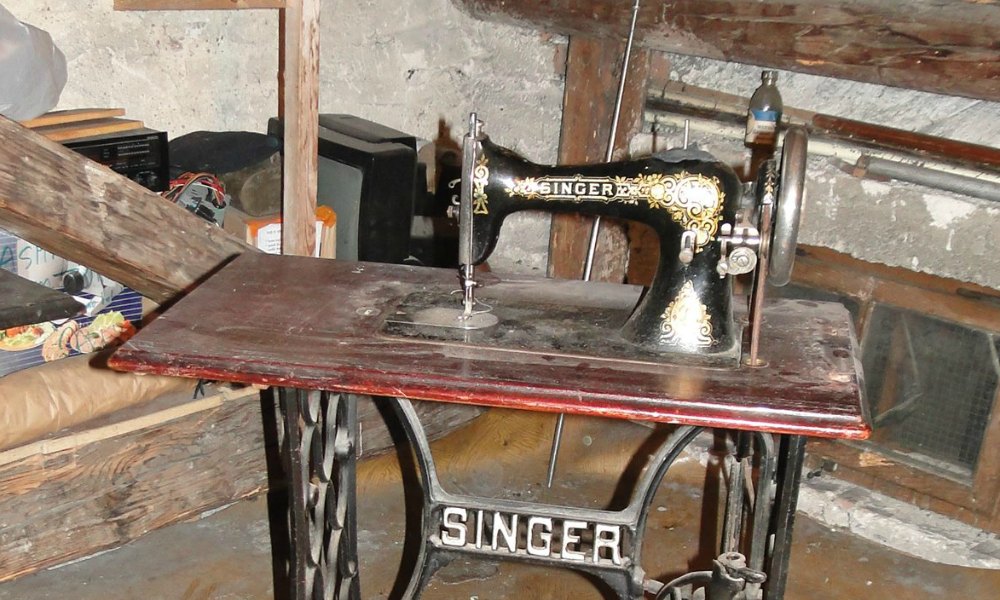
Sewing machine used at the Madritsch plant
Maszyna do szycia używana w warsztacie Madritscha
-
Tree devoted to Julius Madritsch at Yad Vashem
Drzewko poświęcone Juliusowi Madritschowi w Instytucie Yad Vashem
-
Article about our project in local newspaper
Artykuł o naszym projekcie w lokalnej gazecie
-
List of workers at the Madritsch plan in Tarnow
Lista pracowników tarnowskich zakładów Madritscha
-
Location of one of Madritsch plants in Tarnow
Miejsce położenia jednej z tarnowskich fabryk Madritscha
sobota, 1 kwietnia 2017
Ekskluzywny wywiad z Margot Schlesinger o Madritsch i Titschu
Marcin Zaród01:04Cheskel Schlesinger, Holocaust, Holokaust, Interview, Julius Madritsch, Kraków, Margot Schlesinger, Plasow, Płaszów, Raimund Titsch, Regine Schlesinger, Tarnow, Titsch
Brak komentarzy
Exclusive interview with Margot Schlesinger about Madritsch and Titsch
Marcin Zaród00:49Cheskel Schlesinger, Holocaust, Holokaust, Interview, Julius Madritsch, Kraków, Margot Schlesinger, Plasow, Płaszów, Raimund Titsch, Regine Schlesinger, Tarnow, Titsch
Brak komentarzy
Mrs. Margot Schlesinger also agreed to give us an exlusive interview, in which she describes her life during the WWII and how she and her her husband, Cheskel, was employed at Julius Madritsch's factory in Tarnow and then in Cracow-Plaszow. When the news of the liquidation of the Plaszow camp was announced, Margot Schlesinger was entered onto the famous "Schindler's List". In her interview she tells not only about Julius Madritschu, but also about the manager of the Tarnow plant, Raimund Titsch, who after the war was also awarded the medal "Righteous Among the Nations" for helping the Jews to survive in those dark times.
środa, 22 marca 2017
Julius Madritsch in Gizela Fudem's memories
Gizela Fudem was able to convey the atmosphere of pre-war Jewish Tarnow. She told her Holocaust story several times to newspapers and to Polish and international organizations. She talked about her escape from the ghetto and about complications and difficulties that she has to contend with.
Another action was going to take place in the ghetto. Most of people knew what would happed, Gizela too, and that’s why she left the ghetto. The day after, they took away her parents and her brother.
Gizela made contact with Gabriel, who lived in Lwowska Street - the border of the ghetto. Gizela, together with her sister worked at a German company, Madritsch, where they sewed. This girl came to the shop, where Gizela worked and offered her a help. She proposed to hide her if she needed. During the second action Gizela didn’t get a special stamp, so she wasn’t safe. She decided to escape. After working hours in the factory, Gizela Fudem remained in the bathroom upstairs - where was situated Madritsch’s factory. With many difficulties (because the gate was closed and Gabriela have to lied to the guard) this friend took her away. Gizela didn’t have the proper documents to leave the country. She had only a proof of identity and false ‘Ausweis’. After her escape, there was a next action in the ghetto. They took Gizela’ parents and brother. Because of despair her sister, Gizela decided to go back to the ghetto. She went there together with the people which came back from work. The parents and brother of Gizela Fudem died in Belzec. After the ghetto liquidation, Gizela and her sister worked in Plasow for the same company which management of that firm was from Cracow. They lived in barracks, 100 or 200 people in each. As Gizela stated, the food at Madritsch's wasn't too bad. It was organized some extra bread. For Madritsch’s employees they were bringing food from the outside and they used to get a quarter of a loaf of bread for exceeding the norm, so these ones that sewed better, sewed as much as they could, taking work from the ones that sewed slower. At the end, they all shared a loaf of bread between each other. Then Gizela with her sister were transferred to the Auschwitz. There, they shaved their heads, took away their clothing. Gizela got lucky because for a short time she worked as a cleaner for the camp officers, but later she worked manual. Gizela Fudem and her sister were saved by their uncle before transport from Auschwitz out of which nobody survived beyond them.
Juliusz Madritsch we wpomnieniach Gizeli Fudem
Gizela Fudem potrafiła przekazać atmosferę przedwojennego Tarnowa. Opowiedziała historię Holocaustu prasie oraz w polskich i międzynarodowych organizacjach. Opowiadała o ucieczce z getta oraz o komplikacjach i trudnościach z jakimi się zmagała.
W getcie zanosiło się na kolejną “Akcję”. Wielu ludzi wiedziało, co się wydarzy. Gizela też, dlatego postanowiła uciec z getta. Dzień później Niemcy zabrali jej rodziców i brata. Gizela nawiązała kontakt z Gabrielą, która mieszkała na ulicy Lwowskiej - zaraz przy granicy getta. Gizela razem z siostrą pracowała w niemieckiej fabryce Madritscha, gdzie obsługiwały maszyny do szycia. Ta dziewczyna przyszła do sklepu, w którym pracowała Gizela i zaoferowała jej pomoc. Zaproponowała jej ukrycie w razie potrzeby. W czasie drugiej Akcji Gizela nie dostała specjalnej pieczęci, więc nie była bezpieczna. Postanowiła uciec z getta. Po godzinach pracy została w fabryce - ukryła się w łazience na górze w kamienicy, w której mieścił się zakład Madritscha. Mimo wielu trudności (ponieważ brama była zamknięta i Gabiela musiała okłamać strażnika) zabrała Gizelę stamtąd.
Gizela nie miała odpowiednich papierów, aby opuścić kraj. Posiadała tylko dowód tożsamości i fałszywy ‘Ausweis’. Po jej ucieczce Niemcy zorganizowali w getcie trzecią Akcję (trzecie etap likwidacji getta). Zabrali rodziców i brata Gizeli. Zdając sobie sprawę z tego, jak bardzo rozpacza jej siostra, Gizela zdecydowała się wrócić do getta. Powróciła tam wraz z ludźmi, którzy szli z pracy. Rodzice i brat Gizeli zginęli w Bełżcu. Po likwidacji getta, Gizela wraz z siostrą pracowała w Płaszowie dla tej samej firmy, której kierownictwo pochodziło z Krakowa. Mieszkały w koszarach, 100 lub 200 osób w każdej. Jak stwierdziła Gizela, jedzenie w fabryce Madritscha nie było złe. Był organizowany dodatkowy chleb. Dla pracowników Madritscha dostarczano chleb z zewnątrz, a ponieważ za przekroczenie normy dostawali ćwierć chleba, więc ci, co potrafili szyć szybciej, wykonywali tę pracę, za tych którzy szyli wolniej. Na końcu, wszyscy dzielili bochenki chleba między sobą. Potem Gizela z siostrą zostały przeniesione do Oświęcimia. Tam ogolono im głowy i zabrano ubrania. Gizela miała szczęście, ponieważ przez krótki czas pracowała jako sprzątaczka dla oficerów obozowych, ale później pracowała fizycznie. Gizelę Fudem i jej siostrę przed transportem z Oświęcimia, którego nie przeżył nikt poza nimi dwiema, uratował ich wuj.
http://www.centropa.org/biography/gizela-fudem
poniedziałek, 27 lutego 2017
Letters of Marditsch's employees
When we searching the internet, we came across a scanned original of the list of employees of Julius Madritsch's factories in Tarnow. They also include addresses of both plants in Tarnów. Thanks to that, we discovered their exact locations.
Listy pracowników Madritscha
Podczas przeszukiwania zasobów internetu natrafiliśmy na zdjęcie oryginalnej listy pracowników tarnowskich fabryk Juliusa Madritscha, zawierających także oba adresy zakładów w Tarnowie. Dzięki temu udało się nam zlokalizować miejsca, w których te zakłady funkcjonowały.
wtorek, 31 stycznia 2017
Julius Madritsch in Martin Gilbert's book "The Righteous: The Unsung Heroes of the Holocaust"
Martin Gilbert in his book “The Righteous: The Unsung Heroes of the Holocaust” describes what Madritsch had done, how much he had been risking in order to save as much Jews as possible, during the World War II. The story is fortified with dr Adolf Leenhardt’s, Yaakov Sternberg’s memories and quotes from book of Julius Madritsch himself.
Madritsch had been not only rescuing lots of people’s lives giving them employment but also provided them with as many loafs of bread as they could sell part of it and buy other things. There was a kosher and half-kosher kitchen, which was for sure extremely important for those who were experiencing continually the stigma because of their religion.
There were also much more workers than needed, three for each machine for which only one was necessary. All this to protect one more human, one more man...They weren’t discriminated by Madritsch, even if most of them were elderly, he assured they are valuable and significant. This, of course, wasn’t easy, especially when there appeared sadistic commandment form Płaszów, Amon Goeth, who tried to stand on his way. Despite this and the others obstacles, Madritsch continued on his heroic way. Even when supplying workers - prisoners of the camp required to pay SS...
After the liquidation of ghetto in Płaszow (which was directed by Amon Goeth), Madritsch transferred his workers to Bochnia and Tarnów, in which he was helped not only by his manager, Raimund Titsch, but by dr Adolf Leenhardt and Oswald Bosko as well.
Except for protection on the spot, Madritsch enabled Jews to escape via border with Slovakia and farther, to Hungary - through a factory in Piwniczna.
Even when after one of periodic workers selection by SS, part of them was sent to another camp, he made sure whether there wasn’t anything bad which would happened to them.
Then factories in Kraków had been closed, Madritsch together with Titsch got in touch with the other works owner, Oscar Schindler, who agreed to employ a great amount of workers.
Like Schindler, although a few people know about it, Julius Madritsch is one of The Righteous Among the Nations.